LC 17 - Letter Combinations of a Phone Number
LC 17 - Letter Combinations of a Phone Number
Question
Given a string containing digits from 2-9 inclusive, return all possible letter combinations that the number could represent. Return the answer in any order.
A mapping of digits to letters (just like on the telephone buttons) is given below. Note that 1 does not map to any letters.
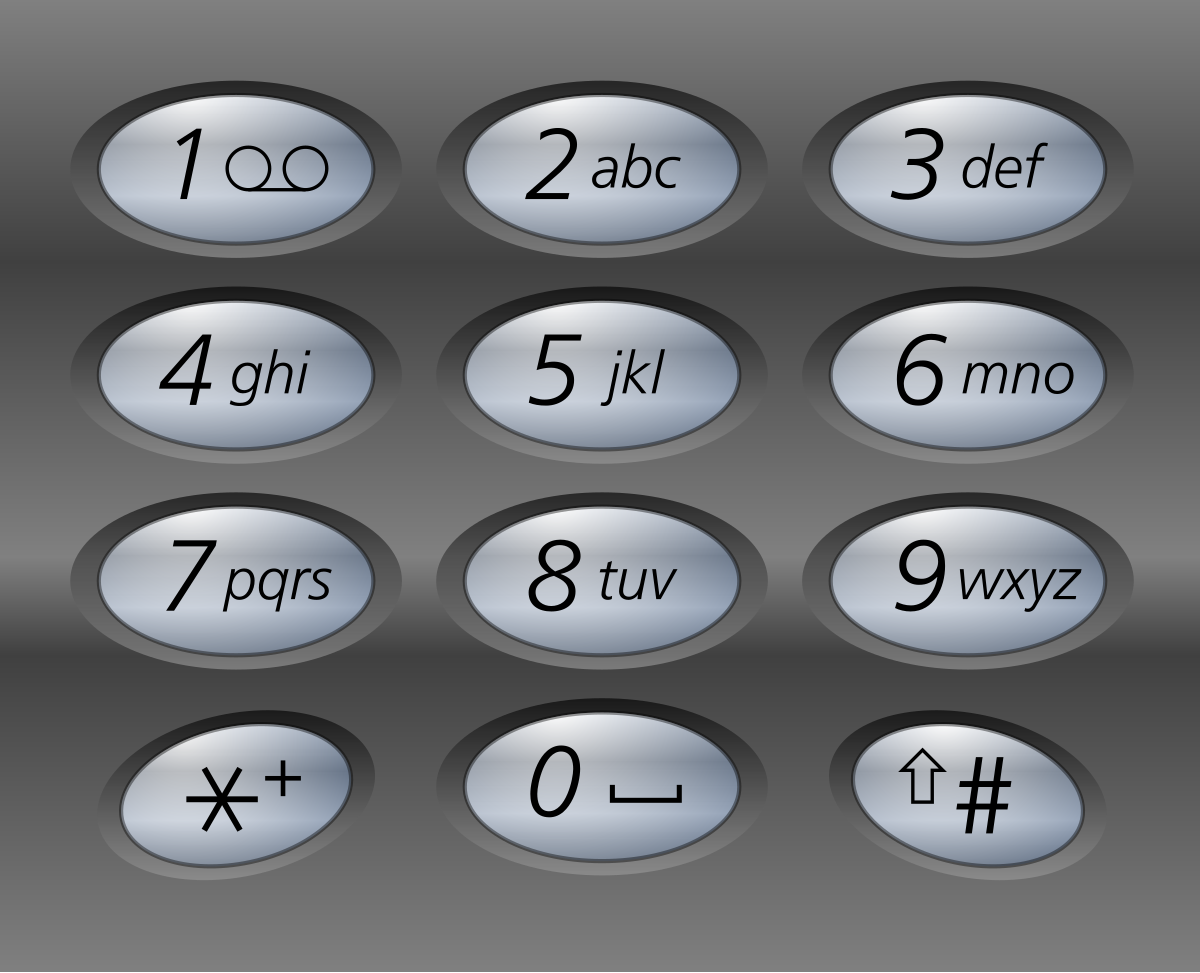
Example 1:
1
2
Input: digits = "23"
Output: ["ad","ae","af","bd","be","bf","cd","ce","cf"]
Example 2:
1
2
Input: digits = ""
Output: []
Example 3:
1
2
Input: digits = "2"
Output: ["a","b","c"]
Constraints:
0 <= digits.length <= 4digits[i]is a digit in the range['2', '9'].
Links
Question here and solution here
Solution
concept
Use backtracking to solve the problem. In the for loop we iterate through all digits at the present level (i.e. current digit), when it backtrack, it will consider other combination at the same levels (i.e. if 2,3,4, it will consider [a,d,g] then go to [a,d,h],[a,d,i], and then [a,e,g], then go to [a,e,h], [a,e,i] ).
code
1
2
3
4
5
6
7
8
9
10
11
12
13
14
15
16
17
18
19
20
21
22
23
24
25
26
class Solution:
    def letterCombinations(self, digits: str) -> List[str]:
        d_to_c = {
            "2": ["a", "b", "c"],
            "3": ["d", "e", "f"],
            "4": ["g", "h", "i"],
            "5": ["j", "k", "l"],
            "6": ["m", "n", "o"],
            "7": ["p", "q", "r", "s"],
            "8": ["t", "u", "v"],
            "9": ["w", "x", "y", "z"]
            }
        ans = []
        curr = []

        def dfs(idx):
            if idx >= len(digits):
                tmp = curr.copy()
                ans.append("".join(tmp))
                return
            for c in d_to_c[digits[idx]]:
                curr.append(c)
                dfs(idx + 1)
                curr.pop()
        dfs(0)
        return ans if digits else []
Complexity
time: $O(n * 4^n)$
space: $O(n)$
This post is licensed under CC BY 4.0 by the author.